Firefighters vs. Gatekeepers: Navigating Telemedicine, Digital Pharmacies, and VitalsTrack
Discover the core differences between reactive telehealth and proactive Remote Patient Monitoring (RPM) for modern health and enterprise productivity.

The digital health landscape is booming, yet chronic diseases continue to surge globally, as highlighted by the World Health Organization. We download apps for video consultations and order medications online, but still feel lost when analyzing our actual health trajectory. Are we truly managing our health, or are we just finding more convenient ways to treat sickness?
1. The Core Dilemma: Reactive Patch-Ups vs. Proactive Preservation
Telemedicine platforms like Doctor Anywhere act as digital “cloud clinics” designed for acute, mild illnesses. They provide immediate relief, quick video consultations, and medical certificates, essentially serving as point-in-time firefighters. Similarly, digital pharmacies like eAlpha focus on the retail supply chain, ensuring chronic medication refills and seamless O2O delivery.
However, VitalsTrack operates on an entirely different paradigm known as Remote Patient Monitoring (RPM). It shifts the focus from waiting for symptoms to actively preserving life through continuous, 24/7 tracking of vitals like blood pressure, glucose, and oxygen saturation. VitalsTrack doesn’t just show up when you are sick; it functions as your health gatekeeper to ensure you stay well.
| Key Dimension | Clinical Standards & Data Context | Business Impact |
|---|---|---|
| Telemedicine (e.g., Doctor Anywhere) | Episodic symptom management; lacks historical physiological context. | High short-term absenteeism mitigation; low long-term ROI. |
| Digital Pharmacy (e.g., eAlpha) | Fulfillment-driven; tracking medication adherence without biomarker correlation. | Stabilizes maintenance costs; doesn’t prevent disease progression. |
| VitalsTrack (RPM & Health Assistant) | Continuous biomarker tracking (BP, SpO2); integrates Medicine 3.0 protocols. | Maximizes executive longevity; drastically reduces catastrophic health claims. |
2. Medicine 3.0: Scrubbing the “Vascular Rust” Before the Crisis
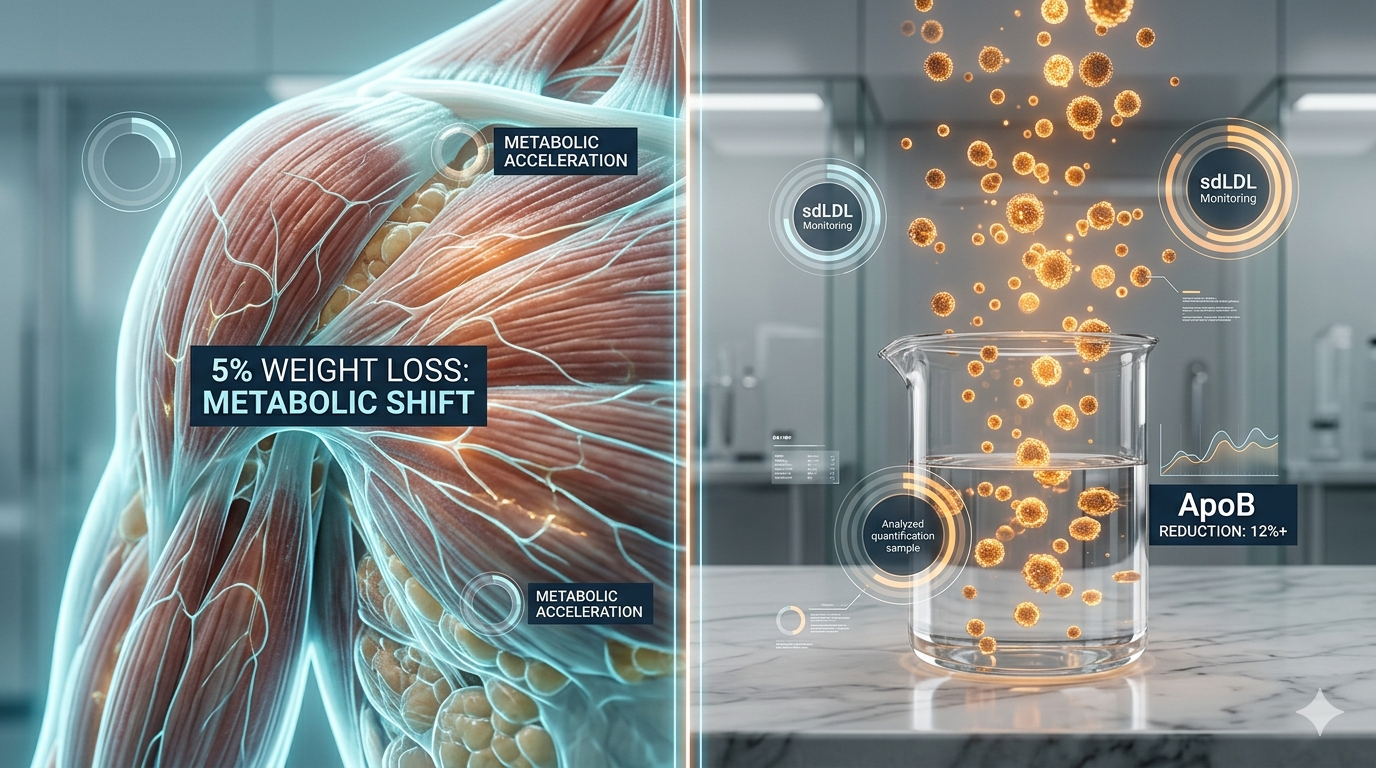
The deep value of VitalsTrack lies in its strict alignment with the Medicine 3.0 framework, prioritizing early prevention over late-stage intervention. We often indulge in rich, culturally beloved meals like a hearty bowl of Bak Kut Teh, unaware of the hidden metabolic toll it takes on our bodies. Instead of just looking at basic cholesterol levels during an annual checkup, Medicine 3.0 focuses on granular, predictive metrics like ApoB (the “Delivery Trucks” of cholesterol) and sdLDL.
These advanced metrics represent the insidious “Vascular Rust” silently accumulating in our arteries over decades. VitalsTrack utilizes a combination of AI data analysis and human clinical follow-ups to catch these dangerous trends before they materialize into a crisis. By the time a traditional doctor formally diagnoses cardiovascular disease in a 15-minute consultation, the physiological damage is already done.
3. The Enterprise Perspective: Why CFOs Must Care About RPM
From the viewpoint of a Founder or CFO, corporate wellness is no longer just about providing gym memberships or basic sick leave coverage. When key talent is sidelined by a sudden heart attack or a severe metabolic crash, the disruption to business continuity and leadership is immeasurable. Employee health is fundamentally tied to corporate productivity.
Investing in a proactive RPM platform like VitalsTrack transforms employee health from an unpredictable liability into a strategically managed asset. By keeping top performers out of the hospital and managing their metabolic risks proactively, companies see a tangible, long-term return on investment. Ultimately, keeping your workforce intrinsically healthy is the smartest financial decision a business can make.
FAQ
Q1: What is the difference between Telemedicine and VitalsTrack?
Answer: Telemedicine focuses on episodic, reactive care for acute illnesses (like a firefighter). VitalsTrack uses continuous Remote Patient Monitoring (RPM) to track biomarkers proactively, acting as a gatekeeper to prevent disease.
Q2: How does VitalsTrack align with Medicine 3.0?
Answer: VitalsTrack tracks continuous health data and focuses on early prevention metrics, such as ApoB and sdLDL, to address metabolic risks long before they become clinical diseases.
📍 Dual-City Strategic Medical Liaison (Kuala Lumpur & Singapore)