Build Your Metabolic 'Sponge': Why Strong Legs Are the Ultimate Defense Against Chronic Inflammation
Stop relying solely on the treadmill. Discover how training your major muscle groups creates a 'blood sugar sponge' to reverse insulin resistance and lower inflammation.
Strong skeletal muscle is far more than a tool for movement; it functions as a critical “endocrine organ” that maintains metabolic stability and prevents chronic disease. According to clinical standards from the World Health Organization (WHO), adults should engage in muscle-strengthening activities at least twice a week to mitigate system-wide inflammatory risks.
| Key Dimension | Clinical Standards & Data Context | Business Impact |
|---|---|---|
| Metabolic Window | 48-72 Hours | The temporary window for insulin sensitization; dictates training frequency. |
| Prevention Efficacy | 20% - 30% | Reduction in all-cause and cardiovascular mortality via regular strength training. |
| Core Metric | Waist < 90cm (M) / < 80cm (F) | Maintaining these limits significantly lowers the risk of the “Three Highs.” |
1. Patient Misconceptions: Is Cardio the Only Answer?
In the parks of Singapore and Kuala Lumpur, it is common to see people focusing solely on jogging or swimming. While cardiovascular health is vital, many overlook the metabolic powerhouse of Muscle-strengthening Activity, particularly involving the quadriceps. 🏃♂️
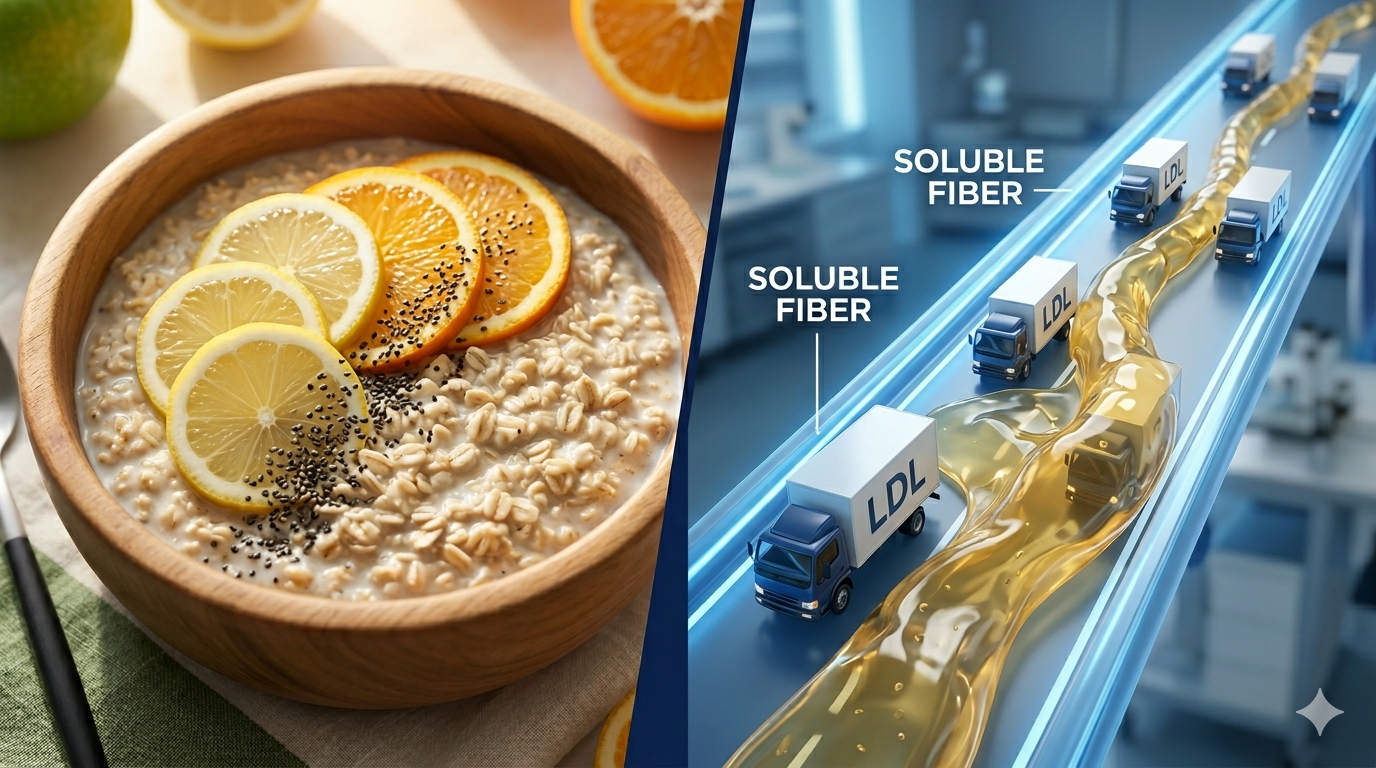
Many patients believe they can run off the blood sugar spikes from a morning Bak Kut Teh. However, without sufficient muscle mass, glucose becomes “unclaimed cargo” in the bloodstream, eventually causing “Vascular Rust” (atherosclerosis). When the “Delivery Trucks” (LDL) carrying cholesterol break down, debris begins to accumulate in the vascular highway.
Walking alone cannot reverse the muscle loss associated with age. Statistics show that only 35.7% of residents meet muscle-strengthening guidelines. This deficiency leads to “Insulin Resistance,” where the body loses its ability to process sugar efficiently. 📉
2. Medical R&D Frontiers: Muscle as a “Second Endocrine Organ”
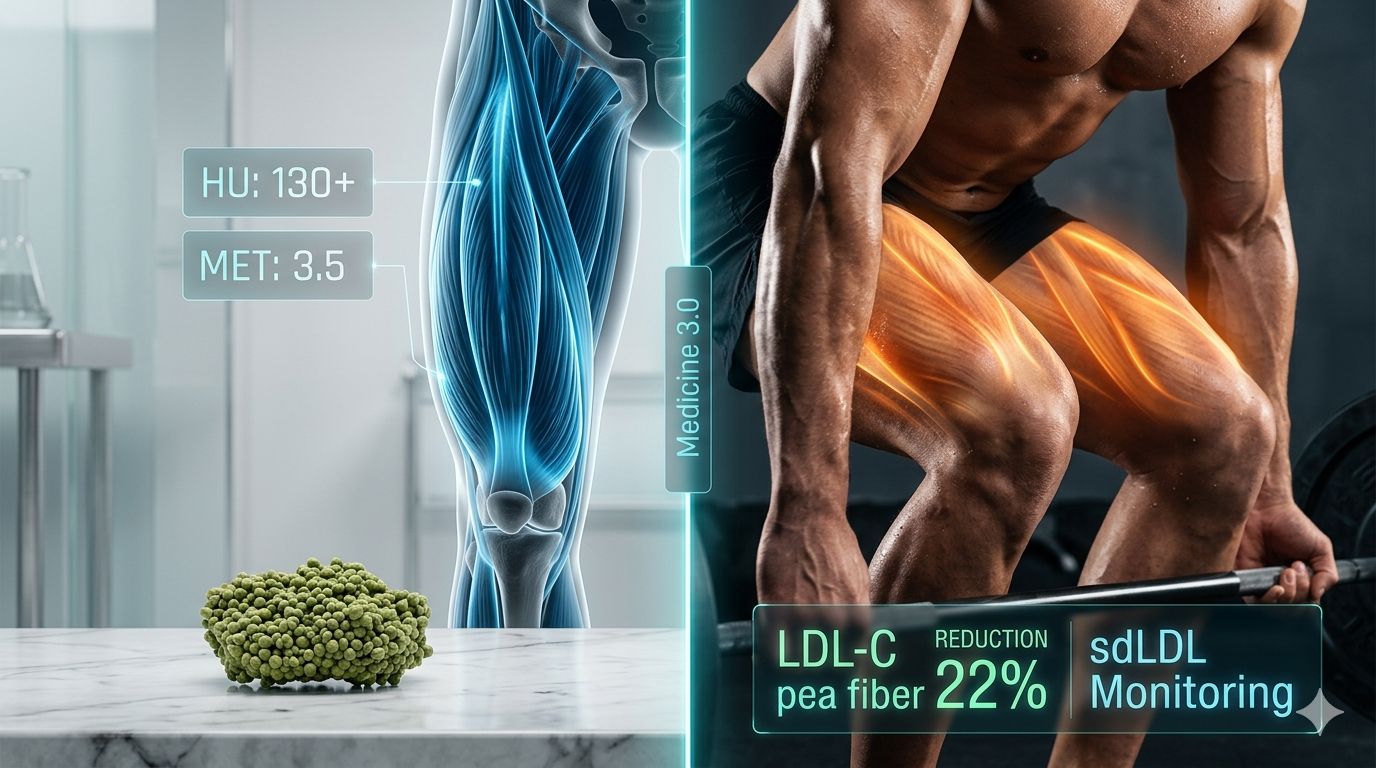
Medicine 3.0 has redefined skeletal muscle: it is not just for motion, but a massive metabolic and secretory organ. 🧬
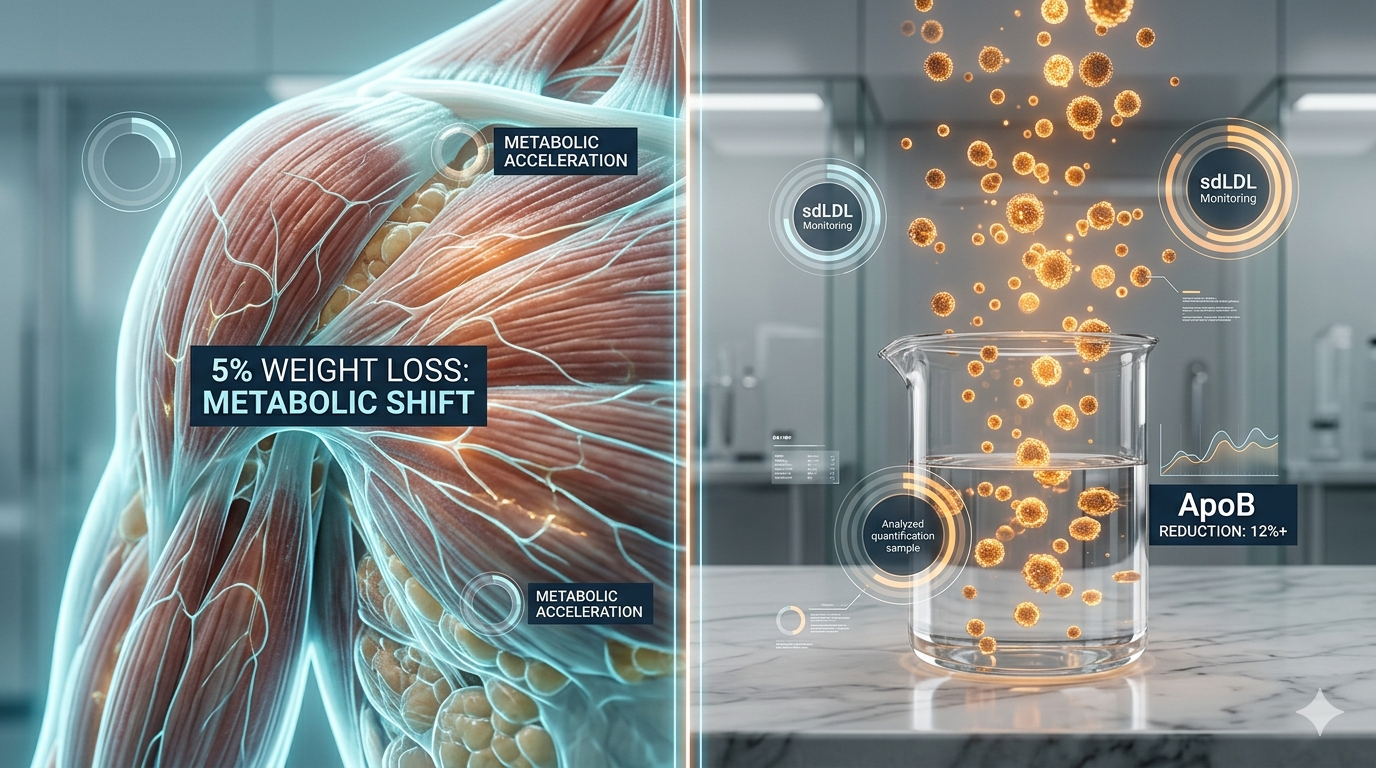
When you activate the “Blood Sugar Sponge” in your legs through squats or resistance training, these muscles can absorb glucose directly from the blood, often without requiring high insulin levels. This mechanism directly bypasses the biochemical logs of insulin resistance.
Furthermore, active muscles secrete anti-inflammatory cytokines that lower C-reactive protein (CRP) levels. This is critical for suppressing the chronic inflammation that leads to “Vascular Rust.” Research is now focused on simulating these biological benefits through targeted interventions. 🛡️
3. Daily Prevention Focus: Activating Your Lower-Body “Sponge”
How can you implement this “Blood Sugar Sponge” strategy in your daily life?
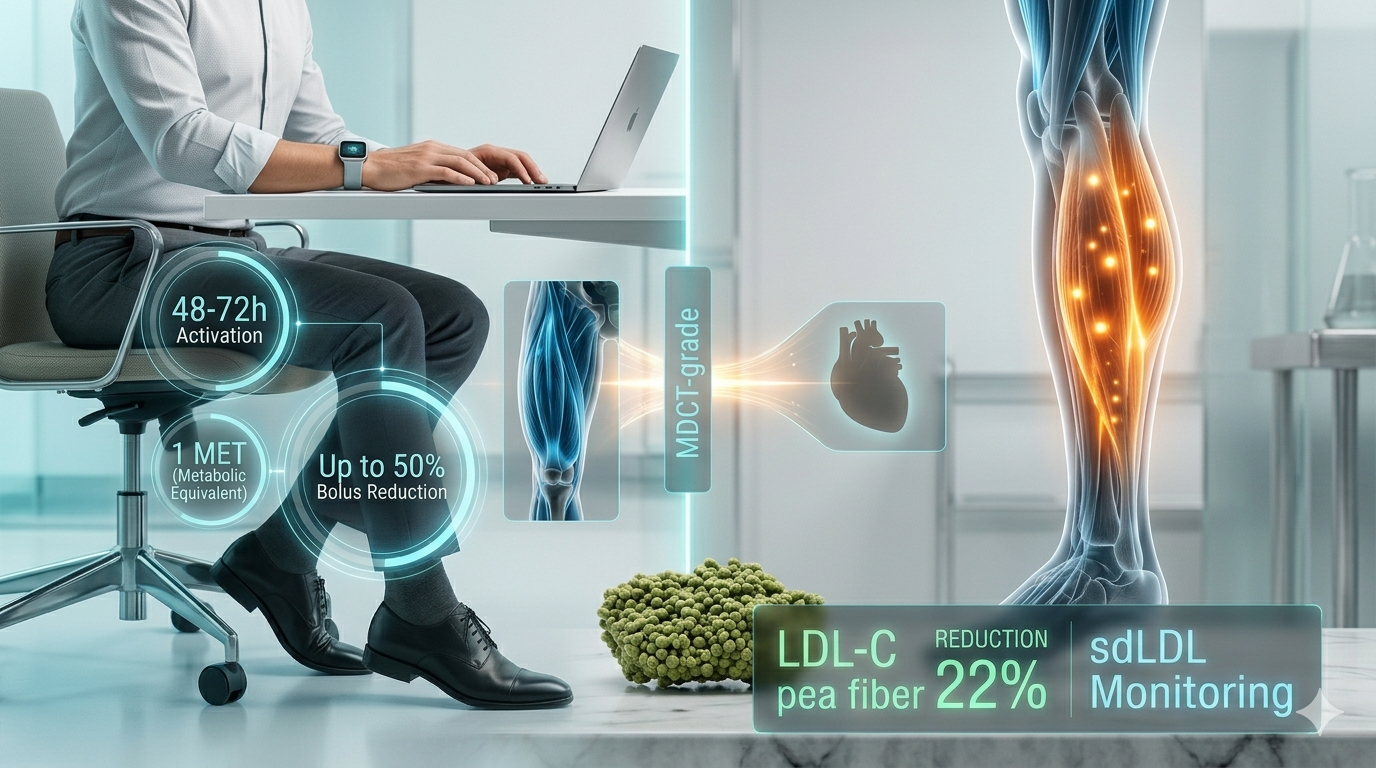
- Respect the 48-72 Hour Window: The metabolic benefit of a single exercise session is temporary. Aim for at least 2 strength sessions per week to keep your “Sponge” active. ⏳
- Early Screening Matters: Since cardiovascular risk factors climb after age 25, formal screening should begin by age 30. In Malaysia, nearly 48.6% of diabetics are unaware of their status before professional diagnosis.
- Optimize Protein Intake: To maintain muscle quality and prevent Sarcopenia, aim for 1.5 g/kg/d of high-quality protein. This ensures your metabolic “Sponge” remains robust as you age. 🍳
Q1: I walk 10,000 steps a day. Do I still need weight training? Answer: Yes, absolutely. While walking burns calories, it does not build the muscle mass necessary to act as an efficient “Blood Sugar Sponge.” Resistance training is the primary key to reversing insulin resistance and long-term metabolic decline.
Dual-City Strategic Medical Liaison Kuala Lumpur & Singapore | Providing precision metabolic management solutions via Medicine 3.0 principles.