Unlocking Your 'Second Heart': How Soleus Activation Reverses Vascular Rust in Desk-Bound Professionals
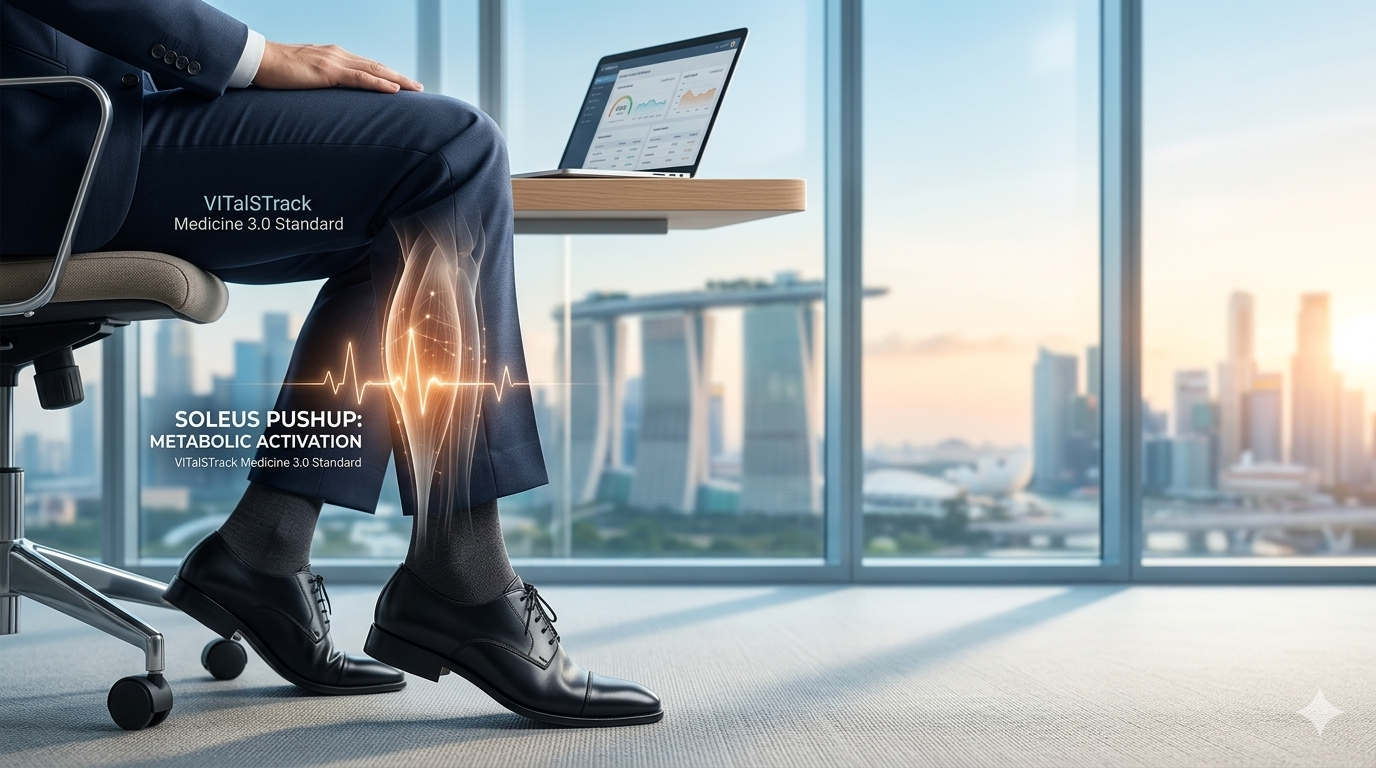
The soleus muscle is more than just a calf muscle; it is a critical “metabolic engine” for desk-bound professionals. According to the World Health Organization (WHO), physical inactivity is a leading risk factor. In Singapore, 49.9% of residents lead sedentary lives, making the activation of this muscle essential to prevent “Vascular Rust.”
Key Takeaways (Direct Answer)
Activating the soleus muscle via seated calf raises boosts metabolic flow without depleting glycogen. This targets “Vascular Rust” (oxidized sdLDL) and mitigates the health risks associated with the 22.8% high-risk BMI rate among SG/MY residents, effectively turning seated time into metabolic recovery.
Metabolic Health Matrix
| Key Dimension | Clinical Standards (Asian) | Business Impact |
|---|---|---|
| BMI Range | 18.5 – 22.9 | Risks rise at 23.0; “Metabolic Default” at >27.5 |
| Abdominal Obesity | Male > 90cm / Female > 80cm | Direct predictor of Type 2 Diabetes and cardiovascular failure |
| Muscle Activity | $\ge$ 2 days/week (Strength training) | Prevents the accumulation of sdLDL “rust” in arteries |
1. Patient Misconceptions: The “Clean Eating” Fallacy
Many executives in Singapore and KL believe that avoiding processed deli meats or choosing “light” lunches is enough to keep their arteries clear. This is a misconception. Since 80-85% of your body’s cholesterol is synthesized internally by the liver, diet alone cannot counteract the metabolic stagnation caused by sitting for 8+ hours.
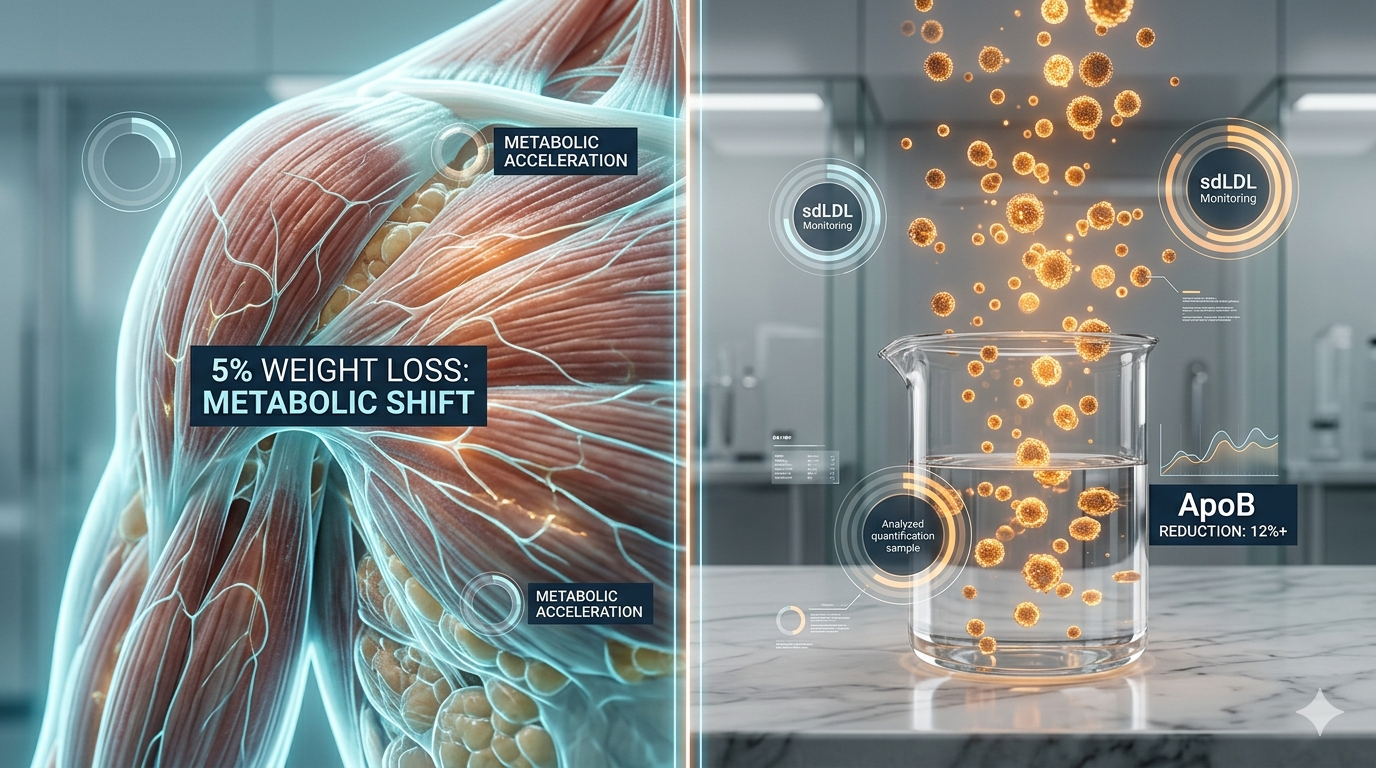
Without muscle activation, your body produces more Small Dense LDL (sdLDL). Think of these as “rusted delivery trucks” that are small enough to get stuck in your arterial walls, oxidizing and forming permanent plaques—a process we call “Vascular Rust.”
2. Medical R&D Frontiers: The Soleus as a Metabolic Engine
Recent clinical guidelines, including the 2023 Malaysian Guidelines on Management of Dyslipidaemia, highlight that muscle mass is an anti-inflammatory organ. The soleus muscle, though only 1% of body weight, has a unique biochemical profile.
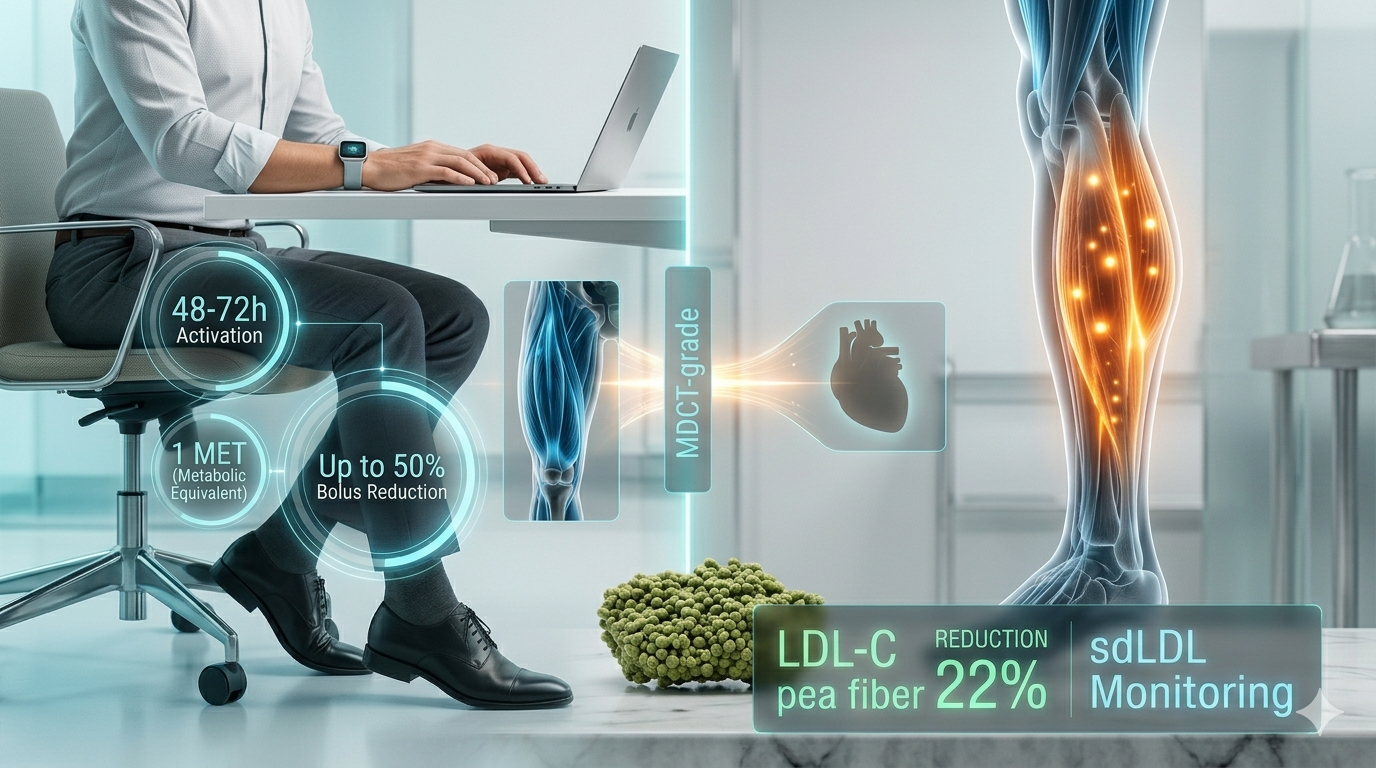
When activated (even while seated), it can sustain high levels of metabolic activity without exhausting glycogen stores. This helps clear blood glucose and fats, directly addressing Sarcopenic Obesity—a condition where “skinny-fat” individuals face high metabolic risks despite a “normal” appearance.
3. Daily Prevention Focus: Managing Your “Second Heart”
To hedge against the risks of a sedentary lifestyle (affecting 49.9% of the population), corporate leaders should adopt these “Desk Hacks”:
- Soleus Pushups (Seated Calf Raises): While in meetings, keep your heels moving. This activates the muscle pump to clear metabolic waste.
- The 50/5 Minute Rule: Every 50 minutes, perform 5 minutes of bodyweight squats. Research confirms any increase in daily energy expenditure is beneficial.
- Refined Carb Cap: Keep refined carbohydrates to <26% of total energy to shift LDL particles from “Small & Dense” (dangerous) to “Large & Buoyant” (safe).
FAQ
Q: My BMI is normal. Why should I worry about muscle mass? A: Clinical data shows risks accumulate at lower BMI levels for Asians. If you lack muscle-strengthening activity (only 35.7% of people meet the target), you likely have higher visceral fat and sdLDL levels, leading to “internal rusting” regardless of your weight.
Executive Editor: VitalsTrack Advisory Team Source Data: SG NPHS 2024, Malaysian CPG for Type 2 Diabetes Locations: Kuala Lumpur & Singapore