Is Your Child’s Heart 'Rusting'? The Hidden Truth About Early Atherosclerosis
Think heart disease is an old person's problem? Discover why terminal 'vascular rust' starts in childhood and how to protect the next generation.

Thinking about that egg you ate? Actually, “vascular rust”—the buildup of plaque in your arteries—often starts in childhood, long before any symptoms appear. According to the World Health Organization (WHO), cardiovascular diseases are the leading cause of death globally, but the biological foundation is laid in our earliest years.
Search Intent Answer: What is Early Atherosclerosis?
Early atherosclerosis is an asymptomatic vascular disease that begins in childhood. While clinical symptoms usually manifest in adulthood, high cholesterol levels during youth significantly increase lifetime cardiovascular risk through the “cumulative exposure effect.” Early intervention, particularly for FH, is critical to halting permanent vascular damage.
Key Takeaways: Pediatric Cardiovascular Risk Metrics
| Key Dimension | Clinical Standards & Data Context | Business/Social Impact |
|---|---|---|
| Prevalence | MyHeARTs study shows 20-25% of 13-year-olds have Total Cholesterol > 5.2 mmol/L | Massive demand for early screening and preventative medicine |
| Diagnosis Gap | 85.3% undiagnosed rate in lipid disorders for ages 18-29 | Growth opportunity for corporate wellness and health-tech monitoring |
| Decline Rate | β-cell decline in obese youth (20-35%/yr) is 3x faster than in adults | Need for pediatric-specific R&D in pharmacological dosing |
| Target Goals | LDL-C < 4.9 mmol/L for ages 10+ (Stricter < 4.2 for FH patients) | Driving adoption of personalized precision medicine and genetic testing |
1. Patient Misconceptions: The Myth of the “Old Age” Disease
Most people believe that cardiovascular damage from “bad cholesterol” is a problem exclusive to seniors. Parents often assume that because children have active metabolisms, they are shielded from the risks associated with processed deli meats or high-sugar smoothies.
However, autopsy studies have confirmed that asymptomatic atherosclerosis exists even in children. Because young people rarely undergo lipid panels, 85.3% of those aged 18-29 remain undiagnosed. Long-term risk isn’t just about a single lab result; it depends on the duration of exposure of the blood vessels to high LDL-C levels over time.
2. Medical R&D Frontiers: Screening the Genetic Blueprint
Pharmaceutical R&D is currently focused on evaluating the long-term safety and pharmacokinetics of statins and ezetimibe in pediatric populations. A primary target is Familial Hypercholesterolemia (FH), a genetic condition that triggers premature heart disease in youth.
The industry is moving toward using “Vascular Age” as a communication tool to help patients visualize risk. By utilizing longitudinal data from the MyHeARTs study, researchers are shifting the clinical focus from “Absolute Risk” (which is low in youth) to “Lifetime Risk” (which is exceptionally high if left untreated).
3. Daily Prevention Focus: Keeping the ‘Pipes’ Clean
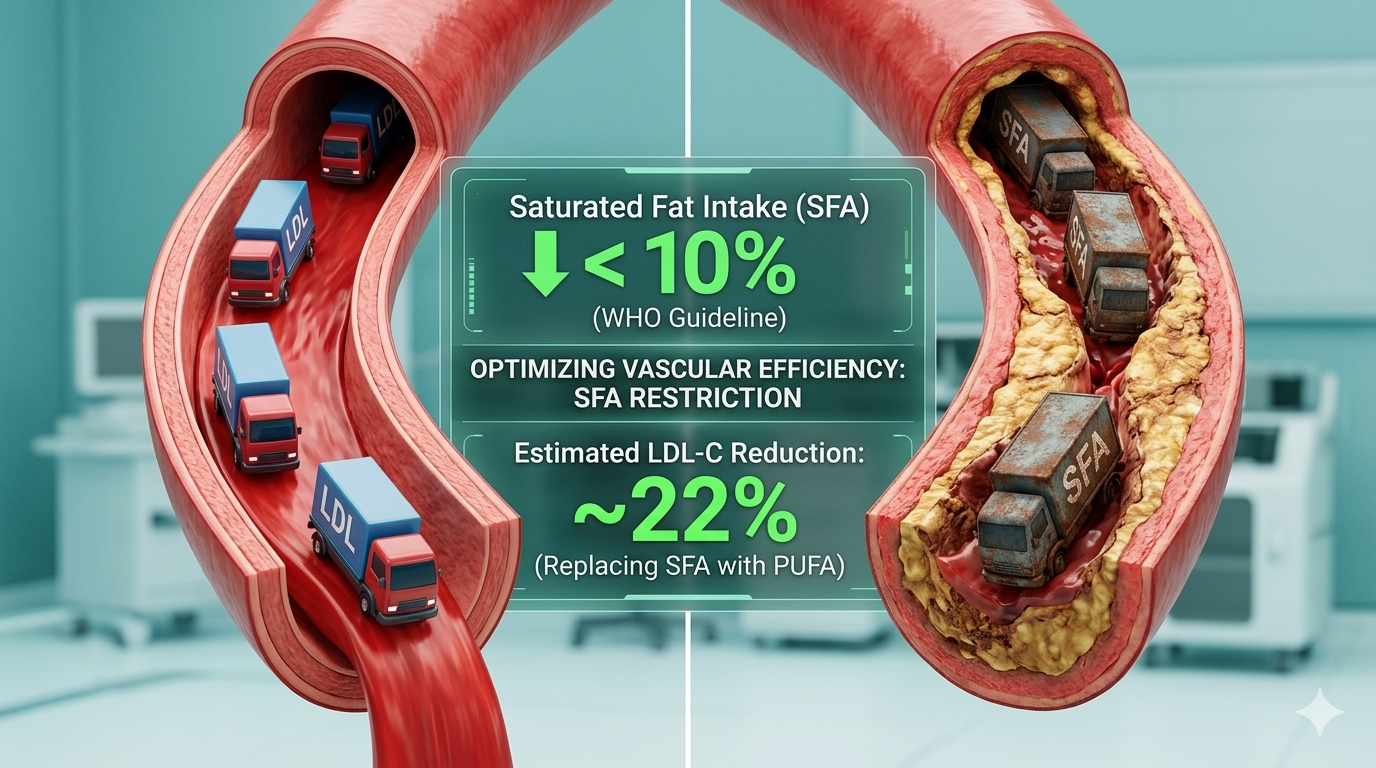
Think of LDL as “delivery trucks”—too many trucks cause a traffic jam in the “highways” of your arteries. Prevention starts with screening, especially for those with a family history of diabetes or premature heart disease.
Guidelines suggest that high-risk individuals should begin lipid screening as early as 18 years old. For children classified as obese (BMI >= 95th percentile), immediate behavioral intervention is recommended. Keeping the “pipes” clean requires early lifestyle adjustments; for those with FH, the target LDL-C is strictly < 4.2 mmol/L to prevent the “rusting” process from becoming irreversible.
FAQ
Q1: Why should I screen my teenager for cholesterol? A1: Because approximately 20-25% of 13-year-olds already show elevated levels. Early detection allows for intervention before the “rust” accumulates over decades of asymptomatic damage.
VitalsTrack: Dual-City Strategic Medical Liaison (Kuala Lumpur & Singapore)
{ “json_ld_summary”: { “@context”: “https://schema.org”, “@type”: “BlogPosting”, “headline”: “Is Your Child’s Heart ‘Rusting’? The Hidden Truth About Early Atherosclerosis”, “author”: “VitalsTrack”, “datePublished”: “2026-05-04”, “keywords”: [“Pediatric Health”, “MyHeARTs”, “Atherosclerosis”, “HealthTech”] } }